


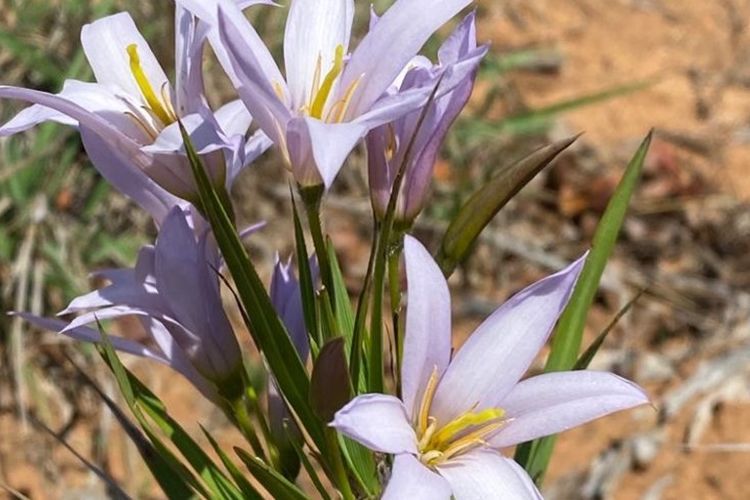
The onset of spring has brought with it a flush of colours, new life, and the early return of some migratory birds.
Very young nyala lambs, zebra foals and giraffe calves have been sighted frequently throughout the month, and impalas are already looking very “well-rounded” for this early in their traditional birthing season.
Flowering species noted during the month included Sausage Trees, Knobthorn trees, Pipa Everlasting, Bushveld Gardenia, various bushwillow species, and more. New grass growth has begun to show, and many trees have new leaves emerging - including Mopane trees - some of which have yet to lose all their winter leaves!
Migratory birds sighted or heard throughout the month include:
- Black Cuckoo (12 September)
- Diederik Cuckoo (22 September)
- Woodland Kingfisher (25 September)
- Wahlberg’s Eagle (27 September)
- Yellow-billed Kite (28 September)
- Yellow-billed Stork (28 September)
- Barn Swallow (28 September)
Although the usual period that most of these birds may be seen at Ingwelala includes the month of September, traditionally most would arrive during October or November, when the wet season is fast approaching, and food sources are beginning to spike. The earliest migrants are usually the Yellow-billed Kite (historically from August/September onwards) and Wahlberg’s Eagle (historically from September onwards, and occasionally in August). This change is particularly relevant for the Woodland Kingfisher, which does not normally arrive before October, but is more commonly seen from the end of October or early November onwards.
These earlier arrivals are likely linked to the vastly higher-than-average rainfall and differing weather patterns this year, which have caused lusher conditions throughout the historic dry season, plentiful groundwater availability to date, and an increase in available resources in general as compared to “normal” climatic years. It is fascinating to note changes such as these, as this data can be very valuable when monitoring things such as environmental or seasonal changes, changes in species populations and distributions, changes in migratory patterns, and long-term studies comparing various links and how different fields may link together over time.
These changes from the traditional “norm” are also a wonderful reminder to marvel over how migrations work, how intrinsically aware of and intuitive to the changes in the environment these animals are, and how to time such long journeys accordingly from as far away as across the planet, in some instances! We look forward to noting the return of more migratory species, and the arrivals of impala lambs and othe
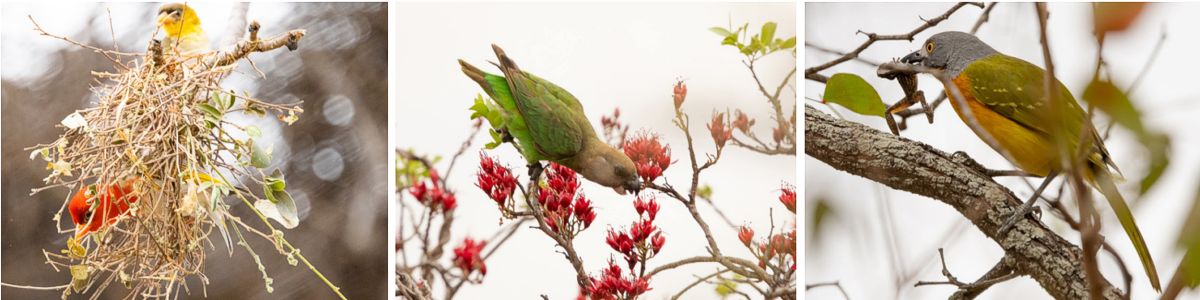 Images courtesy of Gary MacDonald
Words by Tess Woollgar. Images courtesy of Christine Wagner and as noted on individual photos or sets of photos.