


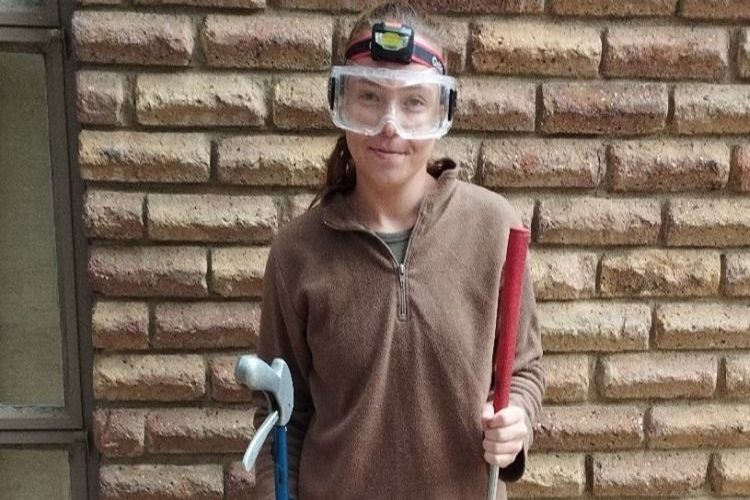
Our two Nature Conservation Interns Christine Wagner and Ndaedzo Raulisa attended their advanced snake capture course at the Hoedspruit Reptile Centre.
The Interns each received the opportunity to capture five venomous snakes, including snouted cobra, puff adder, Mozambique spitting cobra, boomslang, and a black mamba.
Techniques
- Different snake species require different capturing techniques.
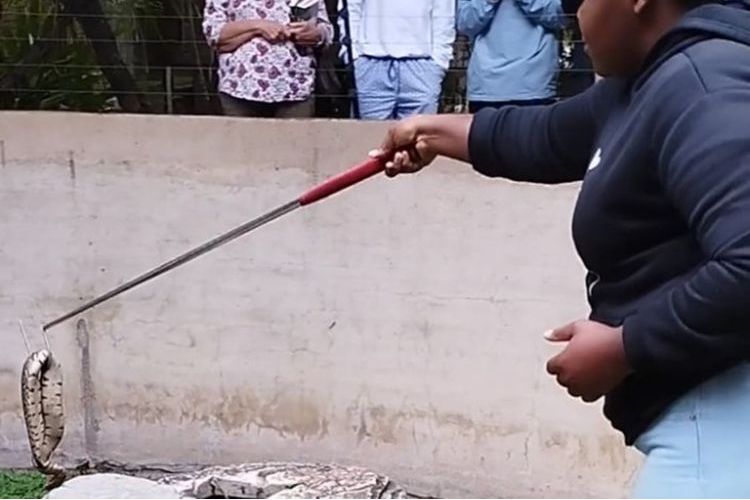
- Rule of thumb: When a snake is shorter than the capture tongs, a capture hook can be used, this usually applies when capturing a puff adder.
- Boomslang: In a tree. Use tongs to capture it, while holding onto its tail so the snake does not go further up the tree.
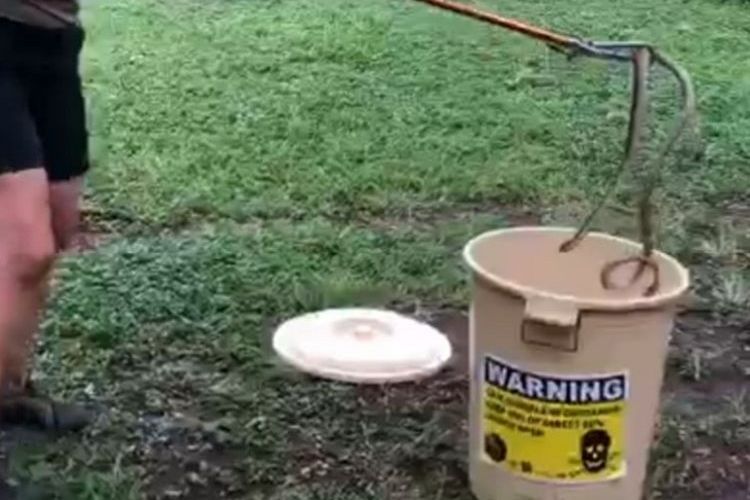
- Black mamba, snouted cobra, Mozambique spitting cobra: Use tongs first to push the head away from you, then grabbing the tail and lifting the snake. Put the snake in the bucket headfirst, holding onto the head with the tongs, then let the tail slide in. Make sure the snake is calm and going under the newspaper before putting the lid on.
- Puff Adder: Use a grab hook to lift the snake up from the middle of its body.
- Python: Use a damp towel to cover the snake’s head and capture it using your hands. Locate the head and tail first before picking the snake up.
- Snakes caught in the wild have different defence mechanisms to those in captivity. Snakes in captivity appear tamer.
- Snakes in colder temperatures appear to be more passive, compared to those in warmer temperature. Snakes are cold-blooded, and in order to regulate their body temperature, they rely on the sun’s heat for example.
Equipment
- Grab hook.
- Capture tong.
- Labelled round bucket, with a lid that can seal. Include a few newspapers for the snake to climb under. The round bucket prevents the snake from escaping.
- Safety glasses.
- Head torch.
- Hand torch.
- Towel.
- Pillowcase.
- Standard first aid kit with pressure bandages.
Tips for personal safety
- Venomous and non-venomous snakes can have the exact same colours, and this may lead to misidentification of the snake.
- It is important to stay away from the snake until someone who can assist arrives. Keeping an eye on the snake’s location can help the snake catcher.
- It is important to keep safety glasses on, sometimes people may confuse a brown house snake with a Mozambique spitting cobra.
- Pressure bandages may only be used on black mambas and non-spitting cobras. These are snakes with Neurotoxic venom.
- It is important to handle any snake a quarter of its body length from its head when using a capture tong. This will prevent the snake from possible injury.
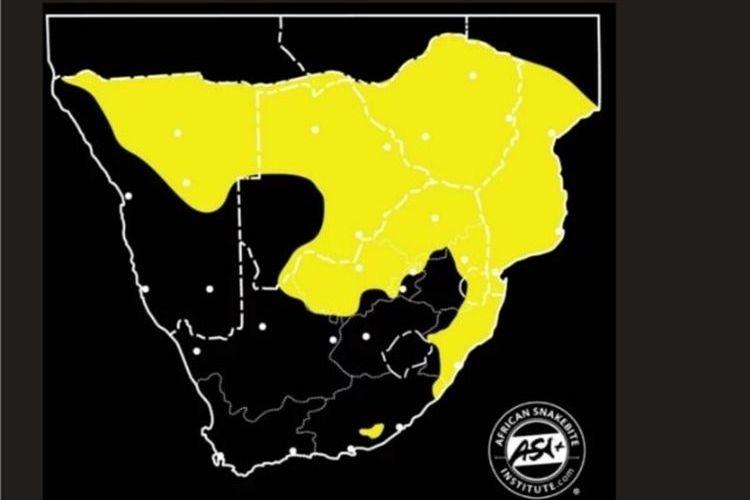
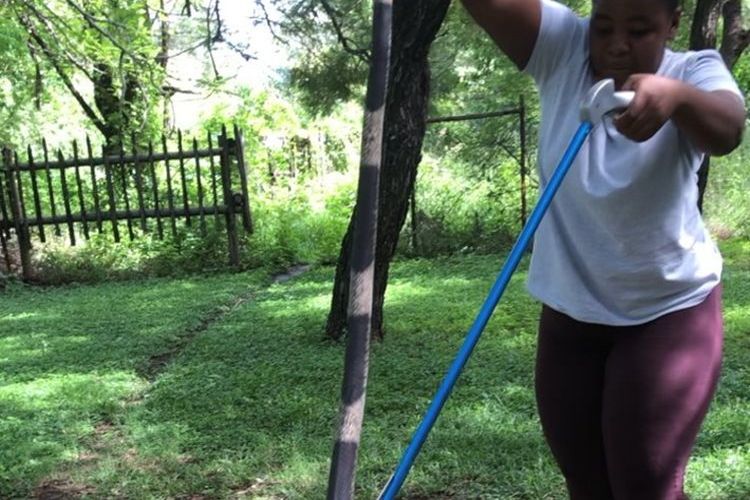 Snouted cobra
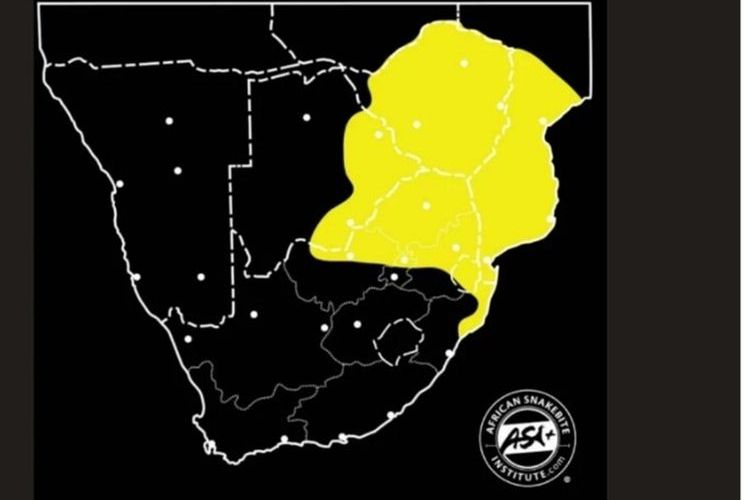 Highly venomous. Colour: dark brown, yellow banded. Neurotoxic venom.
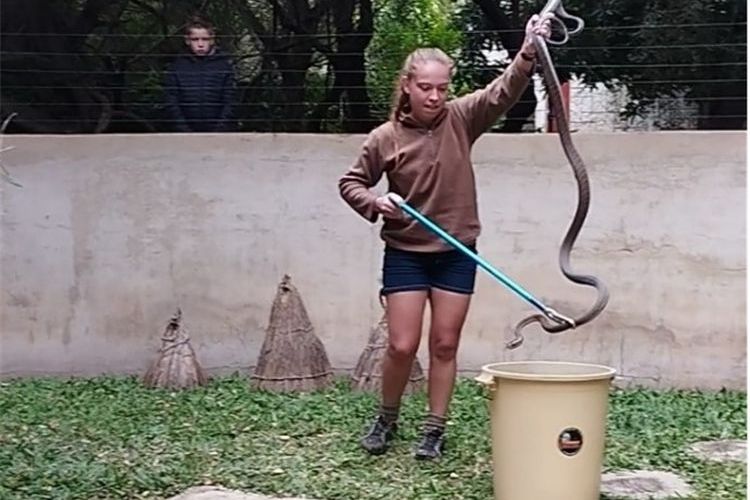 Black Mamba
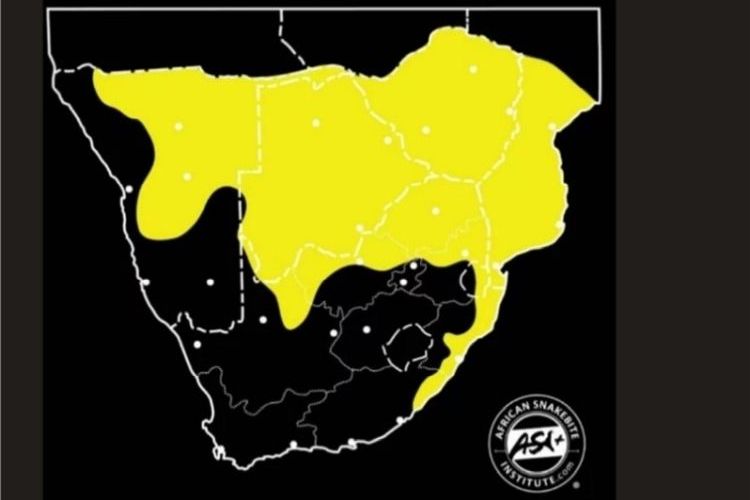 Highly venomous. Colour: grey, olive green, black. Neurotoxic venom. Fastest moving snake.
 Puff Adder
 Highly venomous. Colour: yellow, brown, well camouflage. Cytotoxic venom.
 Mozambique spitting cobra
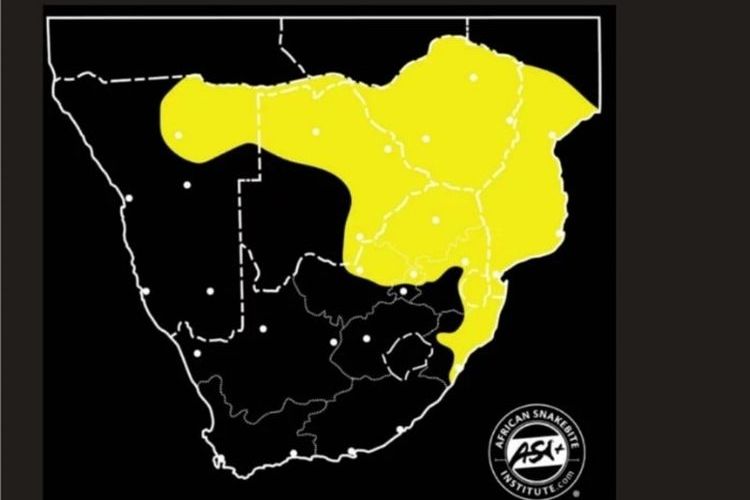 Highly venomous. Colour: grey, olive brown. Cytotoxic venom.
 Boomslang
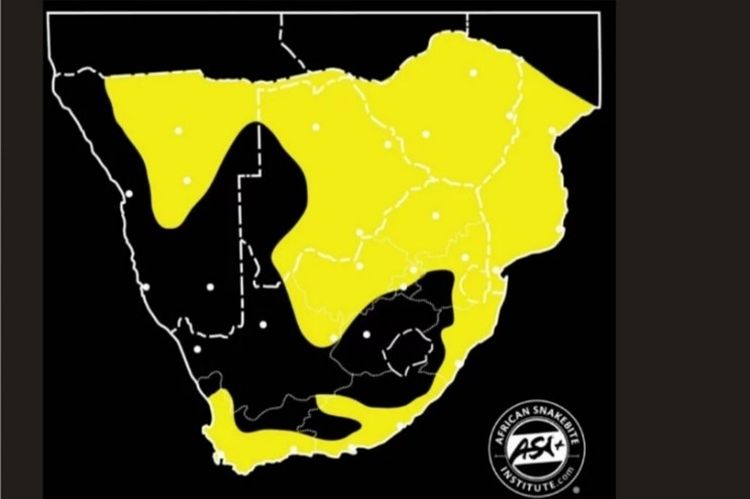 Highly venomous. Colour: grey, olive brown, green. Haemotoxic venom.
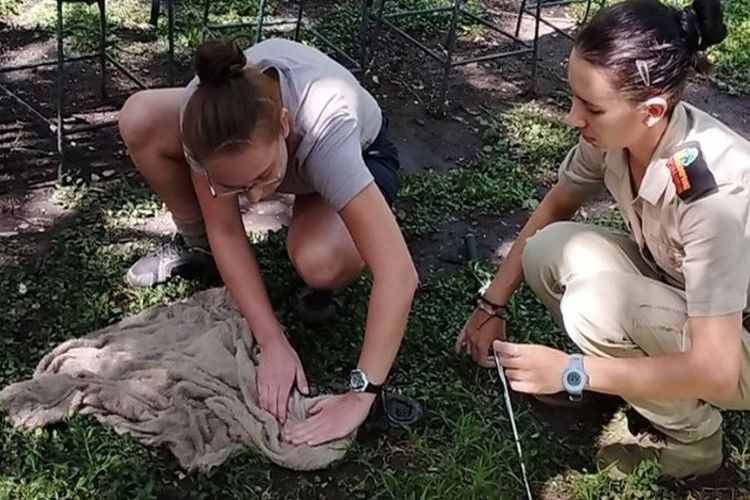 Python
 Nin venomous. Can inflict a nasty bite. Colour: brown.Puff AdderHighly venomous. Colour: yellow, brown, well camouflage. Cytotoxic venom.Mozambique spitting cobraHighly venomous. Colour: grey, olive brown. Cytotoxic venom.BoomslangHighly venomous. Colour: grey, olive brown, green. Haemotoxic venom.PythonNin venomous. Can inflict a nasty bite. Colour: brown.
Snake biology
Vision:
- Snakes have good vision, but mainly uses movement to detect what is in front of them.
- Snakes do not have movable eyelids, instead they have a shield that is shed with the rest of the skin.
Hearing:
- Snakes are sensitive to vibrations and can not hear most airborne sounds.
Smell:
- Snakes have a smell sensor called the Jacobson’s organ found in the roof of their mouths.
- Snakes use their tongues to sense external chemicals and then send it to the Jacobson’s organ when retracting the tongue.
Types of snake venom:
- Neurotoxic
- Cytotoxic
- Haemotoxic
Snake capture course scenarios:
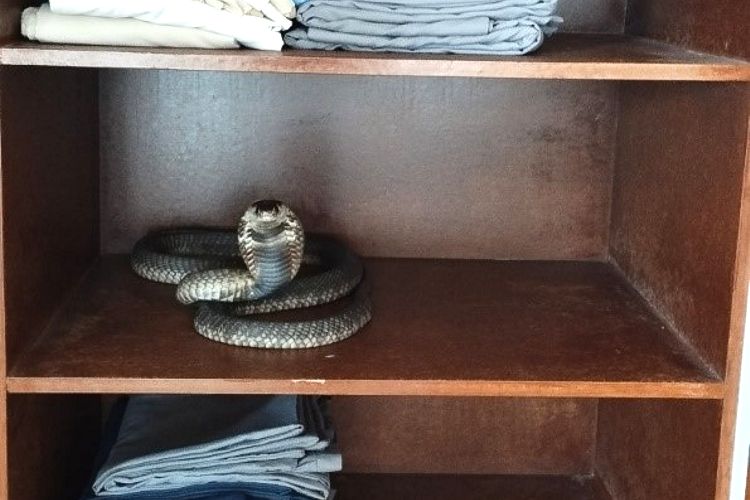 Snouted cobra inside a cupboard. Safety glasses should be always worn until the snake is correctly identified. Whenever a snake is in a place where there are objects, it is best to remove the objects first. Place the objects like clothing and baskets as far away as possible so the snake does not have more things to crawl into.
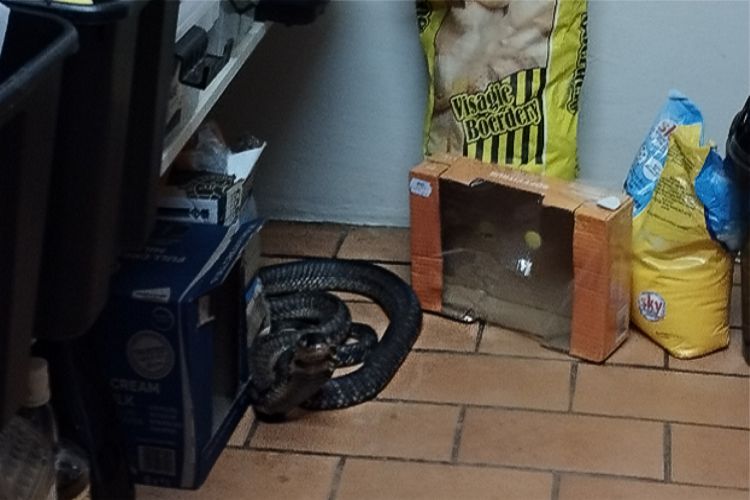 Snouted cobra in pantry. Whenever removing a snake from a small area like the pantry, bathroom, closets, it is best to remove the snake using only the tongs to a bigger area where you have control over the snake. This will make it easier and safer to capture the snake and placing it in the bucket.
Location maps courtesy African Snake Bite Institute. Text and pictures by Christine and Ndaedzo.