


Why the smaller things are important. Small creatures play arguably some of the most vital roles in any functioning ecosystem.
Small creatures play arguably some of the most vital roles in any functioning ecosystem. Although often overlooked, small animals shape and alter ecosystems as we know them. An ecosystem is a community of living (biotic) and non-living (abiotic) components that interact with each other in a physical environment. This includes all living creatures, such as plants, animals and insects, and even microbes and bacteria in the soils, and non-living components such as air, water, soil or temperatures. In essence, the combination of ecosystems is the basis of life on Earth - they are the areas where life exists.
An ecosystem can be any size - it doesn’t have to be a massive area of land encompassing thousands of hectares. Instead, it could be a specific pool of water that is stagnant in a riverbed, or the space underneath a rock. Within each ecosystem there is a web of complex relationships between the various components contained within, and these relationships determine whether the ecosystem remains healthy, or might be skewed towards unsustainability or instability at any point.
Smaller creatures play a massive role within these complex systems, whether as predators, prey, pollinators, decomposers, nutrient recyclers, soil formers, ecosystem engineers, pest controllers or disease spreaders. Although these smaller creatures make up the vast majority of living biomass on the planet, we will briefly discuss the overall importance of three species or families relevant to us at Ingwelala - termites, African Honey Bees and Dwarf Mongooses.
Termites are vital for life as we know it. Known as “ecosystem engineers”, termites shape the physical landscape with their mounds, create habitats and shelters for other animals, recycle nutrients in the soil, assist with the decomposition of plant matter, affect plant community growth, and also provide a high-protein, high-biomass food source for countless other creatures that feed on them. Termites are known as one of the most important creatures in savanna biome health!
Because of their high impact on soil aeration and nutrient cycling, termites are crucial for soil health, which directly affects subsequent plant communities, habitats, biomes and of course all animal life. With 165 described species of termites in Southern Africa, over 2,600 described species globally and a global estimated biomass of over 50 mega-tonnes, termites make up more than forty percent of global soil biomass! They are, therefore, one of the most important tiny creatures in the world, and it is no surprise they’re considered “ecosystem engineers”.
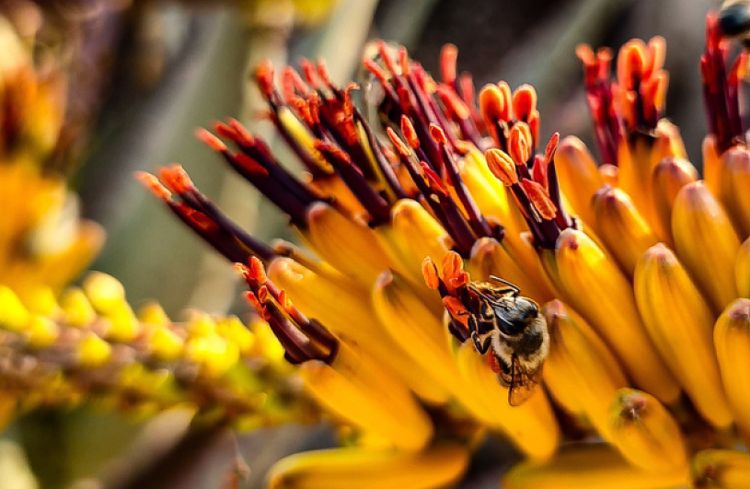
African Honey Bees also form a vital part of any ecosystem. They are prey species, and may be preyed upon by birds, other insects or even small mammals. Further, they produce honey - a rich food source for various animals, including humans. Bees also play a vital role as pollinators for various flowering plants, including many of our indigenous thorn trees. By being exceptional pollinators, these bees are responsible for a large proportion of overall ecosystem biodiversity, dynamics and health.
If we look further away from the veld, African Honey Bees play a valuable role in both global and local economies. Being a pollinator of over fifty agricultural crop plants, and subsequent honey or beeswax products, African Honey Bees are largely responsible for global food security and economic stability.
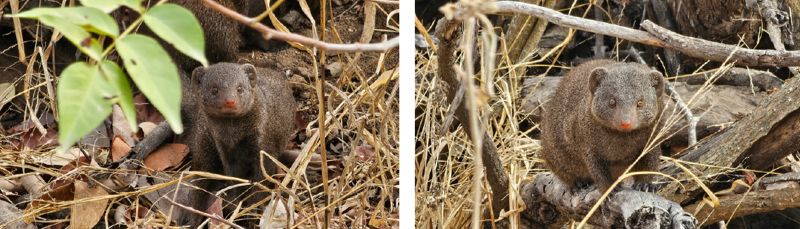
Dwarf Mongooses are our smallest mammalian predator at Ingwelala. With large teeth and a ferocious attitude, a Dwarf Mongoose can consume around twelve percent of its body weight in a single day. Weighing about 350 grams, an adult may eat roughly 42 grams of food per day. This may not sound like a lot, but if extrapolated to be proportional to humans, a human weighing 80 kilograms would eat almost ten kilograms of food in a single day! Being gregarious - living in groups of up to twenty or so individuals - they play an enormous role in pest, disease, and population control in any ecosystem when their impacts are combined.
Interestingly, it isn’t just what they eat, but how they eat that is so important. Dwarf Mongooses feed by disturbing soil and vegetation - digging fervently for their food. Because they’re almost constantly on the move while feeding, these tiny creatures contribute to soil aeration, may reduce soil compaction and can even aid in seed dispersal - all things that shape plant and soil communities and therefore the balance of all living things in an ecosystem! Outside of these roles, Dwarf Mongooses also play a role as a food source for larger carnivores in the food web, being preyed on by various other animals in nature.
Although this is a very brief look at some of the smaller creatures, we hope this has renewed a spark for appreciating and understanding the smaller things in nature. We may sometimes forget it, but they are so important for global biodiversity, and we encourage you to read more about these fascinating tiny creatures and their big impacts on the world we live in!
Words by Tess Woollgar. Josh Hibbett and Tessa Woollgar