


November sightings, wildlife monitoring and interesting research projects.`
Sightings of the month
Thank you to all who recorded their sightings in the book this month!
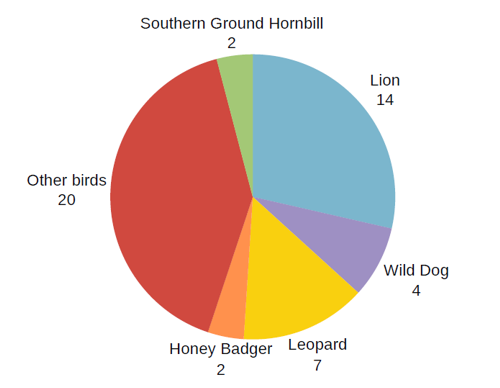
Here is the number of recorded sightings per species:
Highlights:
- Lions had a buffalo kill next to bungalow 2, showing interesting dynamics with different members of different prides coming to feed. This included lionesses with cubs, 2 young males and an older male.
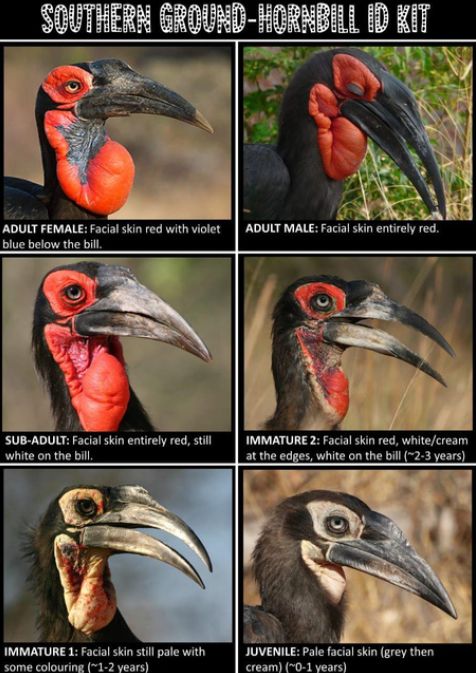
- There were two sightings of Southern Ground Hornbills over the month, including a sighting of one eating a snake.
- A leopardess with 2 subadults has been seen on multiple occasions across Buffelsbed, op Goedehoop and even in camp near bungalow 110.
- Migratory birds are back and nesting, including sightings of Wahlberg’s Eagles, Woodland Kingfishers, Violet-backed Starlings, and the Eurasian Golden Oriole, amongst many others.
- A Paradise Flycatcher was a birding highlight, as well as a Leucistic Dove and two Bateleurs in a talon tangle! Many vultures were also seen on the buffalo kill in camp.
- Other bird species recorded: African Fish Eagle, Namaqua Dove, African Barred Owlet, Saddle-billed Stork, Yellow-billed Stork, Pied Kingfisher, Red-headed Weaver, Southern Masked Weaver, Red-billed Buffalo Weaver, Red-backed Shrike, Southern White-crowned Shrike, Cinnamon-breasted Bunting.
- General species recorded through the month: Buffalo, Elephant, Spotted Hyena, Black Mamba, Spotted Bush Snake, Kudu, Waterbuck, Zebra, Giraffe, Nyala, Tree Squirrel, Chacma Baboon, Vervet Monkey, Impala, Steenbok, Duiker, Klipspringer, Scrub Hare, Springhare.
Infrared camera traps
We have set up infrared camera traps in camp to monitor different species’ movements. They are checked daily and all footage is logged to help us identify which individual animals are moving through camp, and where they are most active. This has been hugely successful so far, and we are very excited to have this project continue over the coming months.
We’d like to set up even more camera traps both in camp and throughout the reserve. This is hugely beneficial for monitoring predator movements and numbers in the area, but it also gives us a window into their lives with almost no "human presence", allowing us to glimpse them in an undisturbed state.
Here are some of our highlights from the camera traps this month:
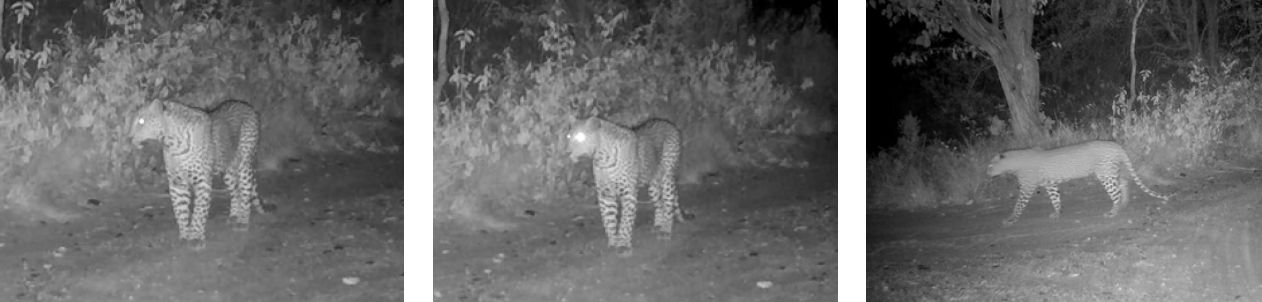
Male leopard near Bungalow 143

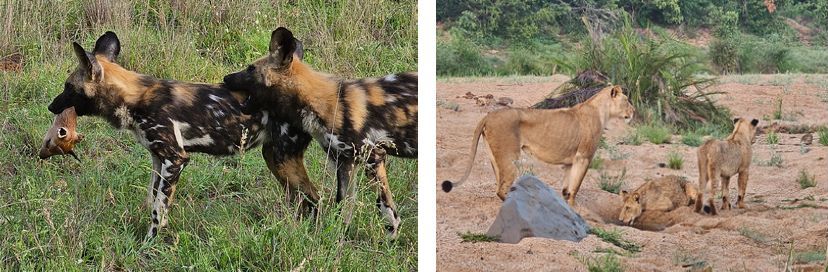
Buffaloes on Duiker Rd | Adult wild dogs playing
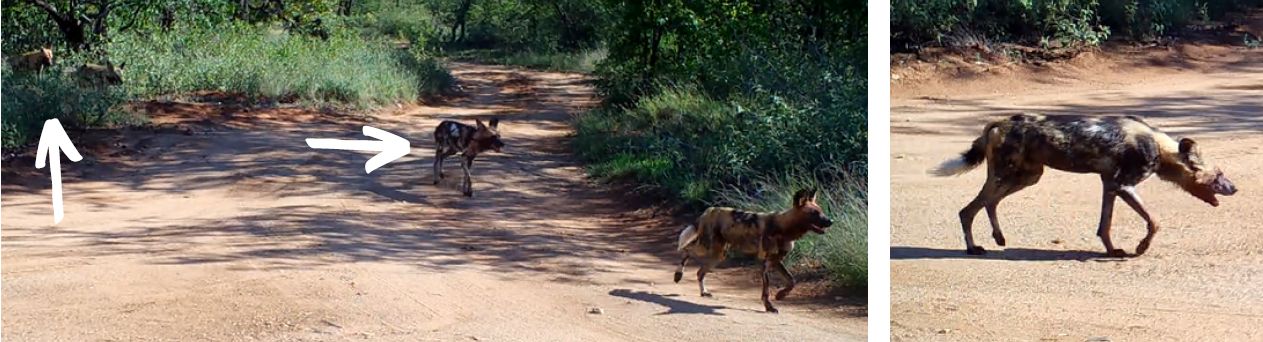
Four members of a large pack of dogs running onto Duiker Rd | Wild dog calling for the pack
Species identification
We have also been getting more involved in the movements and identification of different animals through camp and the reserve.
This includes all predators as well as rarer species like the Southern Ground Hornbill.
Nesting sites of birds are also of interest to us. It helps us monitor the population sizes, their larger movements within the area, and also helps us keep track of their health and condition.
We’d love your help with this, so if you see anything you think may be of interest to us, please let us know!
This is what we need:
- Date and Time
- Location (a GPS pin works the best, but any way you can would be appreciated)
- Species
- Number of Animals/Composition of the group
- Possible sexes/ages of animals
- Anything interesting they may have been doing
- Photos/videos if you can
For now, you can send any information to us at
For pin locations, please ask for a cellphone number where they can be forwarded to. Pins are brilliant for accuracy and record-keeping!
Exciting news!
We will hopefully be introducing a new online and offline mapping system for those that want to use it to log sightings, invasive species or anything else you might see. We will keep you updated when it has been fully set up and is ready to go!
Rare and interesting sightings in the APNR:
Brown hyena sightings have been on the rise within the Balule Nature Reserve in recent months. This is quite exciting for the area, as brown hyenas are known to cover immense distances. Keep a look out for these special animals - you never know when one might appear on Ingwelala!
Words by Tess Woollgar, images by Josh Hibbett and Lanzawild