


March sightings, wildlife monitoring and interesting research projects.`
Sightings of the month!
Thank you to all who recorded their sightings in the book this month!
There were 224 recorded sightings in the sightings book, with an average of 7 sightings per day.

Highlights:
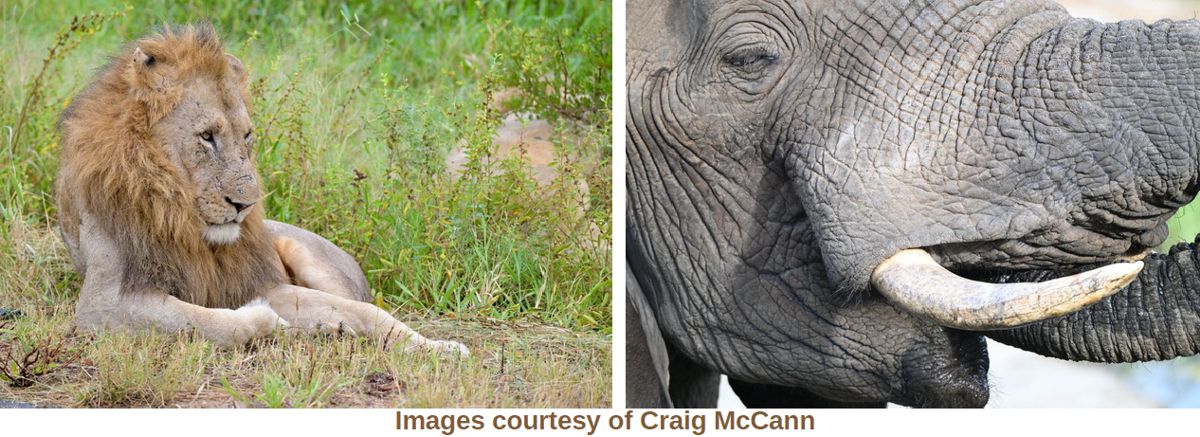
- Lion were the most reported species in the sightings book, with 27 sightings during the month. Following this, elephants, hippos, and leopards were the next most frequent.
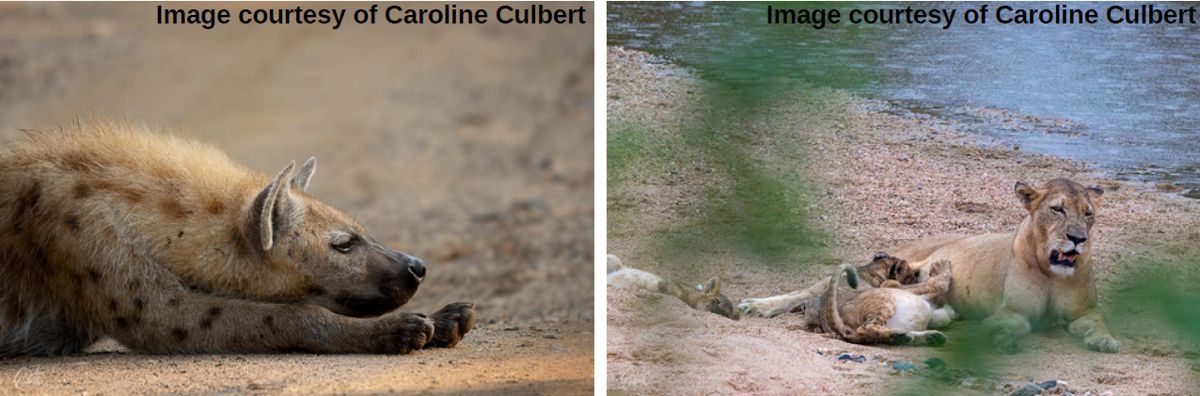
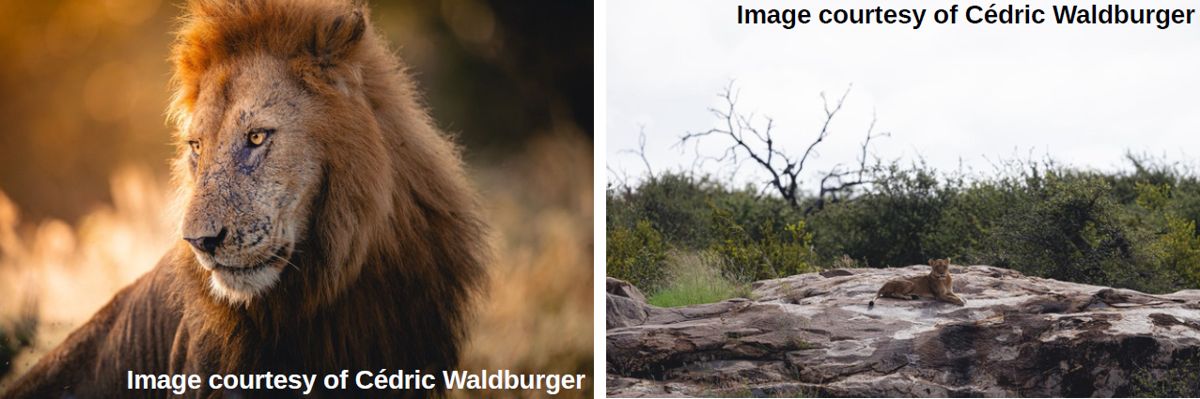
- Of the lion sightings, the most frequent sightings were of male lions, followed by the lionesses and six cubs, and then mating lions - one of which instances was right outside our entrance gate! There was also a sighting of a heavily pregnant lioness on the tar road. Most of the lion sightings were on Argyle in the region of Farmhouse Crossing.
- An African Wild Cat and her two kittens were seen multiple times on Buffelsbed and Sibon during the month, with one sighting of the kittens in a mopane tree near the Platform!
- A Striped Polecat was an amazing rarity seen on the tar road during the month, and the first confirmed sighting in our records since 2021, as per the July 2021 Reserve Report.
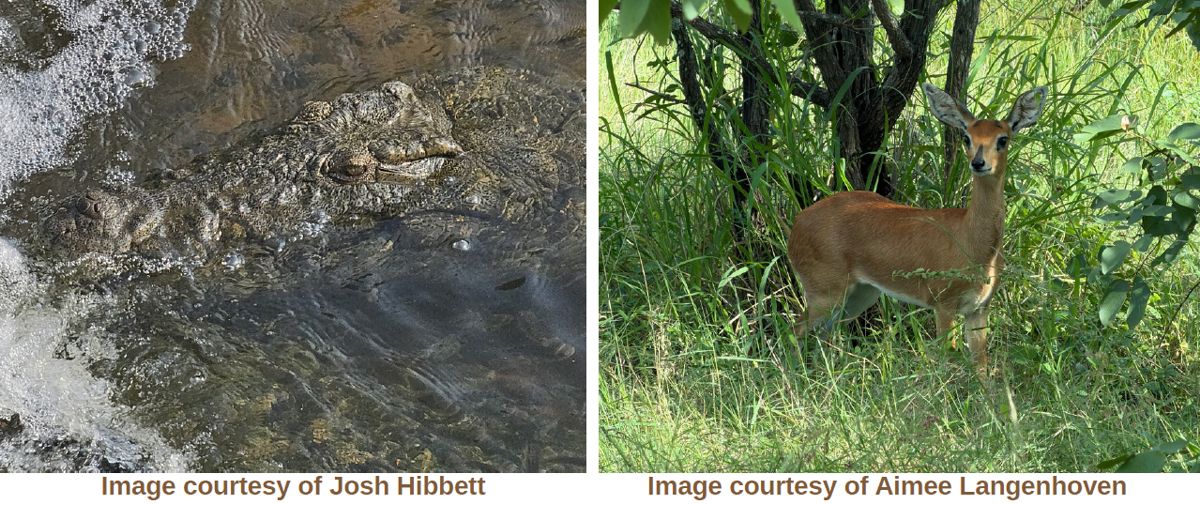
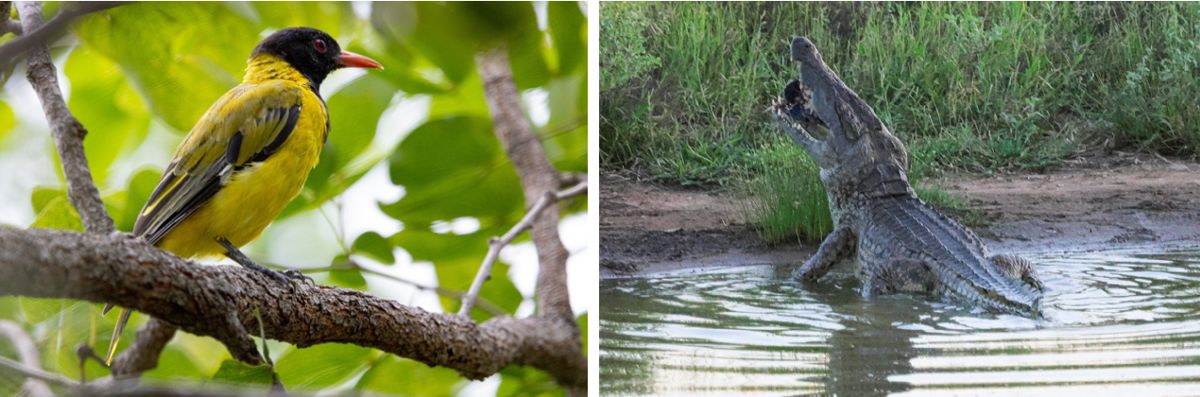
- Two leopard kills, both having hoisted impalas in trees, were recorded during the month, as well as two crocodile kills at waterholes.
- A Greater Galago was seen at a bungalow in camp towards the end of the month.
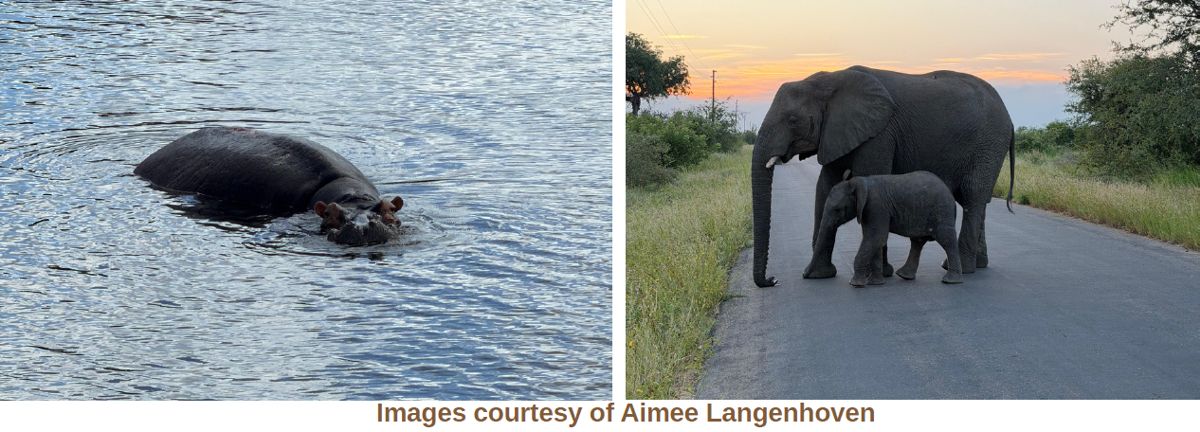
- There are now twelve hippos in Sibon Dam, three in Goedehoop Dam, one at the main causeway and one at Hippo Pan - our highest recorded hippo count in many years.
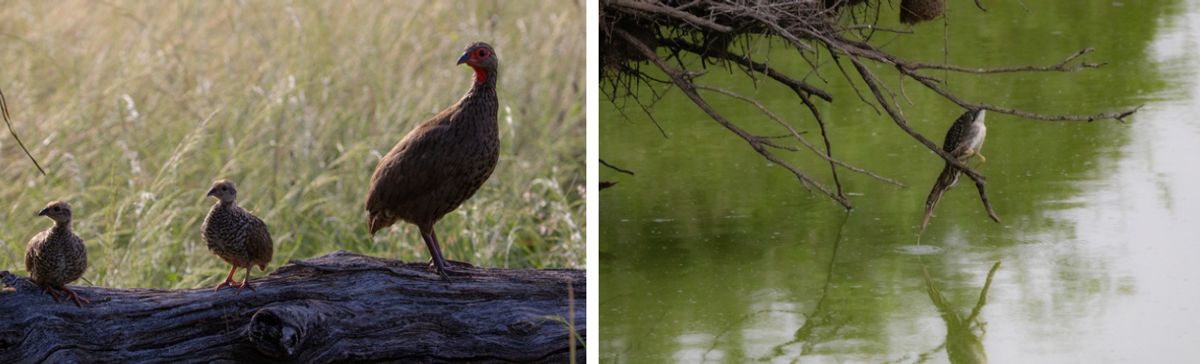
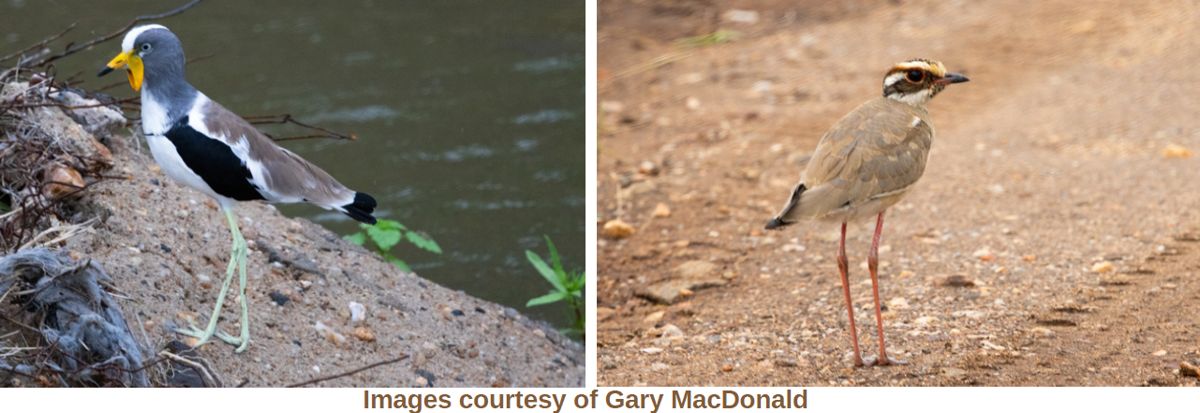
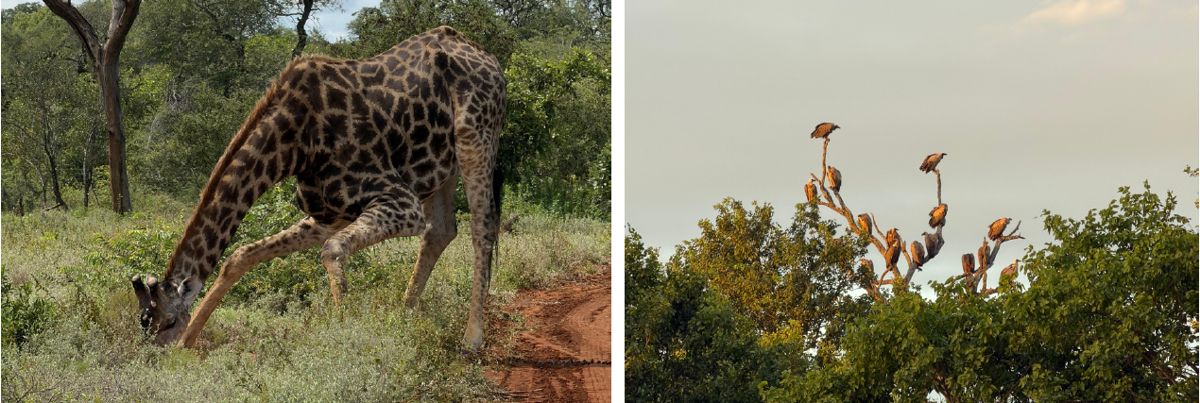
- Birding highlights included two sightings of Bat Hawks on Argyle, Purple Herons, Marabou Storks, Common and Lesser Moorhens, a Common Sandpiper, a Half-collared Kingfisher and various cuckoo species throughout the month.
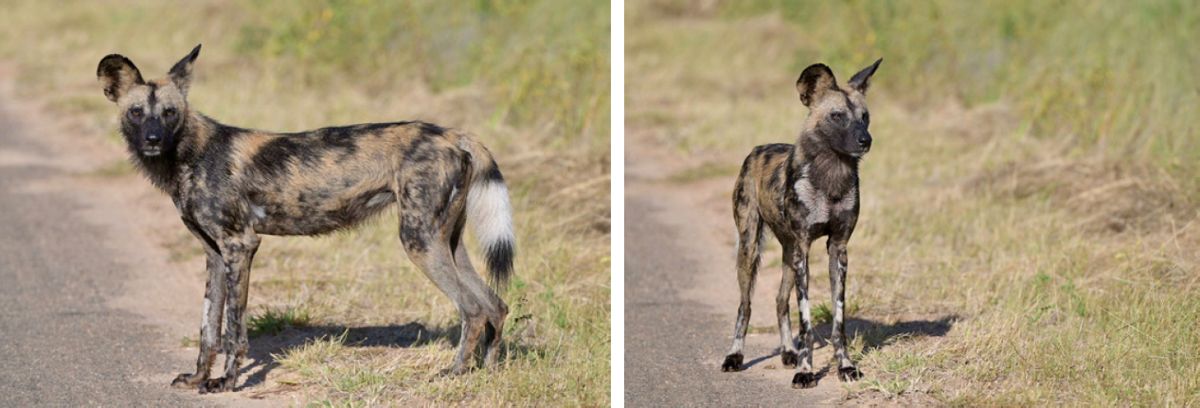
- Mammalian species recorded: Leopard, Lion, Elephant, Buffalo, Wild Dog, Spotted Hyena, African Wild Cat, Honey Badger, Black-backed Jackal, Side-striped Jackal, Striped Polecat, Impala, Kudu, Wildebeest, Giraffe, Zebra, Waterbuck, Warthog, Hippo, Nyala, Bushbuck, Klipspringer, Sharpe’s Grysbok, Duiker, Steenbok, Warthog, Chacma Baboon, Vervet Monkey, Springhare, Scrub Hare, Tree Squirrel, Banded Mongoose, Slender Mongoose, and Dwarf Mongoose.
- Reptilian species recorded: Water Monitor, Black Mamba, Puffadder, Rufous Beaked Snake, Yellow-bellied Sand Snake, Common Egg-eater, Nile Crocodile, Flap-necked Chameleon, Leopard Tortoise, Marsh Terrapin, Rainbow Skink, and Serrated Hinged Terrapin.
- For the full list of bird species recorded during the month, please click here.
With the unusually high rainfall experienced this year, it is expected that the species observed will change somewhat, offering an increased chance of seeing rarer species on the reserve. This may be more prevalent in bird species, however, there may also be a greater chance of seeing more mammal and reptile species as well.
Species that have already had a notable difference include:
- Rare species for the region, such as Bat Hawks and Striped Polecats, being seen.
- Species not commonly seen, including Marabou Storks, Purple Herons, Common and Lesser Moorhens, and various wading bird species being seen more regularly.
- Increased sightings of small predators (mesopredators), such as African Wild Cats, Honey Badgers and Genets.
- Increased snake and scorpion sightings, and more frequent sightings of rarer species such as Rufous Beaked Snakes and Thread Snakes.
- Increased hippo, crocodile and fish populations, and resulting intra-hippo interactions.
- Increased sightings of elephant herds, and decreased sightings of elephant bulls.
- Increased sightings of general game species and populations (more zebras, giraffes, impalas, nyalas, and waterbuck).
- Increased insect activity, particularly of butterflies, termites and Matabele ants.
- Increased amphibian and arachnid sightings, and diversity, with many more species of spiders, frogs, and toads observed.
The increased rainfall, surface water availability, high biomass, and increased food and micro-habitat availability, will make for a particularly interesting year to observe any changes in species distributions, populations, interactions and overall sightings. Because of how interconnected the food webs and food chains are, as the vegetation and water availability has increased considerably, nutrient and food availability has also increased. As such, the more insects, amphibians and arachnids there are, the more reptiles, birds and mammals we are likely to see as well.
We would like to thank all who have reported sightings on the social media pages, in the sightings book, or over the radio. These sightings assist us greatly with monitoring ongoing changes in relation to the changing weather patterns and climactic conditions. We would further like to request that you please continue to report sightings, as we will undoubtedly see changes in the coming year, and the assistance of Members in this regard is very helpful and goes a long way towards maintaining our historical records.
In terms of vegetation changes, a visual difference in species abundance has been noted, with a large amount of new mopane trees establishing in camp, as well as increased grass abundance on the reserve. Decreased populations of Wild Foxglove and Scorpion Bush have also been noted on the reserve.

Amphibian survey
The rainfall experienced this season has provided another wonderful opportunity for furthering research and gathering valuable data at Ingwelala and within the Umbabat PNR. Following on from the fish survey, which is still ongoing, conservation student, Aimee, is in the process of conducting an amphibian survey in camp and on the reserve, which will continue throughout the year.
This survey combines physical data from actively finding, photographing, identifying and recording data from each amphibian seen, with audio data from recording and identifying vocalisations. This is largely done at night, when amphibian activity is at its peak. Thus far, the most productive sites in camp have been at Camp Dam and on the road network, as the frogs and toads move around during the evenings.
Some highlights from this project include regular sightings of the Northern Pygmy Toad (Poyntonophrynus fenoulheti), Grey Foam Nest Frog (Chiromantis xerampelina), Banded Rubber Frog (Phrynomantis bifasciatus) and Painted Reed Frog (Hyperolius marmoratus).

Words by Tess Woollgar, images courtesy of Cédric Waldburger, Tess Woolgar and as noted on individual photos.