


The Marula tree (Sclerocarya birrea) is known as "Ukanyi" in Tsonga.
The marula tree is also known as the King of the African trees. It is a medium to large deciduous tree that is distributed along the lowveld and in the KwaZulu Natal. This tree is a single stemmed tree with a spreading rounded crown. The tree blooms from September to November and its fruiting season extends from January to March. The marula fruit is high in vitamin C. This tree can grow to the height of 18 metres.
The marula tree belongs to the Anacardiaceae family, which is the same family as the mango. There is a male and female marula tree (separate sex). One way for you to know the difference between the male and female marula tree is during its fruit bearing season the male tree only bears flowers and the female tree bears fruit.
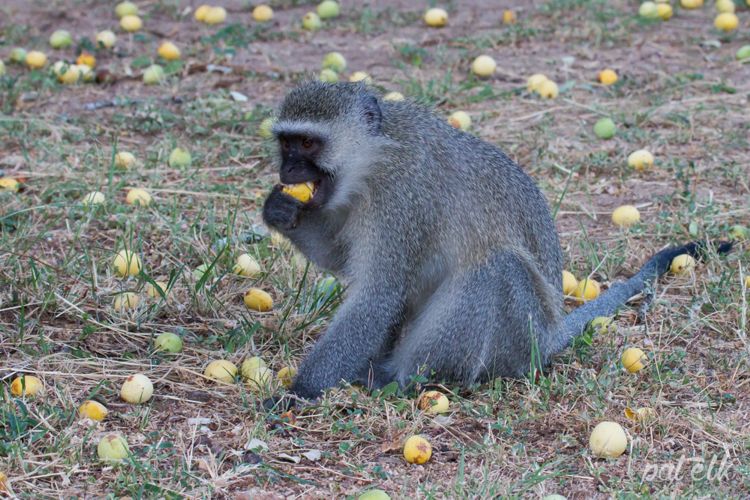
Animals like waterbuck, elephants, giraffe, kudu, and baboons enjoy its fruit and leaves. Elephants strip the bark of the marula tree because it is a favourite food source for elephants as it contains calcium and fibres which help with digestion.
Not only are the marula fruits palatable to animals, but it is also edible for humans. It eaten either fresh, or made into the famous Amarula alcohol liqueur that has a high economic value for South Africa. The tree’s wood is soft, and can be used to carve items like house-hold utensils. The inner bark can be used for medicinal purposes; it is an excellent remedy for haemorrhoids, and it is also believed that chewing on the leaves can reduce heartburn.
The marula fruit produces an oil which is used in a wide range of cosmetic products. The oil has properties of amino acid which benefits anti-aging, and fatty acid which helps with moisturizing.


Facts researched on the Internet. Words by Ndaedzo Raulisa.